
Nigeria Approves Dual-Pest Resistant Cowpea Following Science-Based Regulatory Review
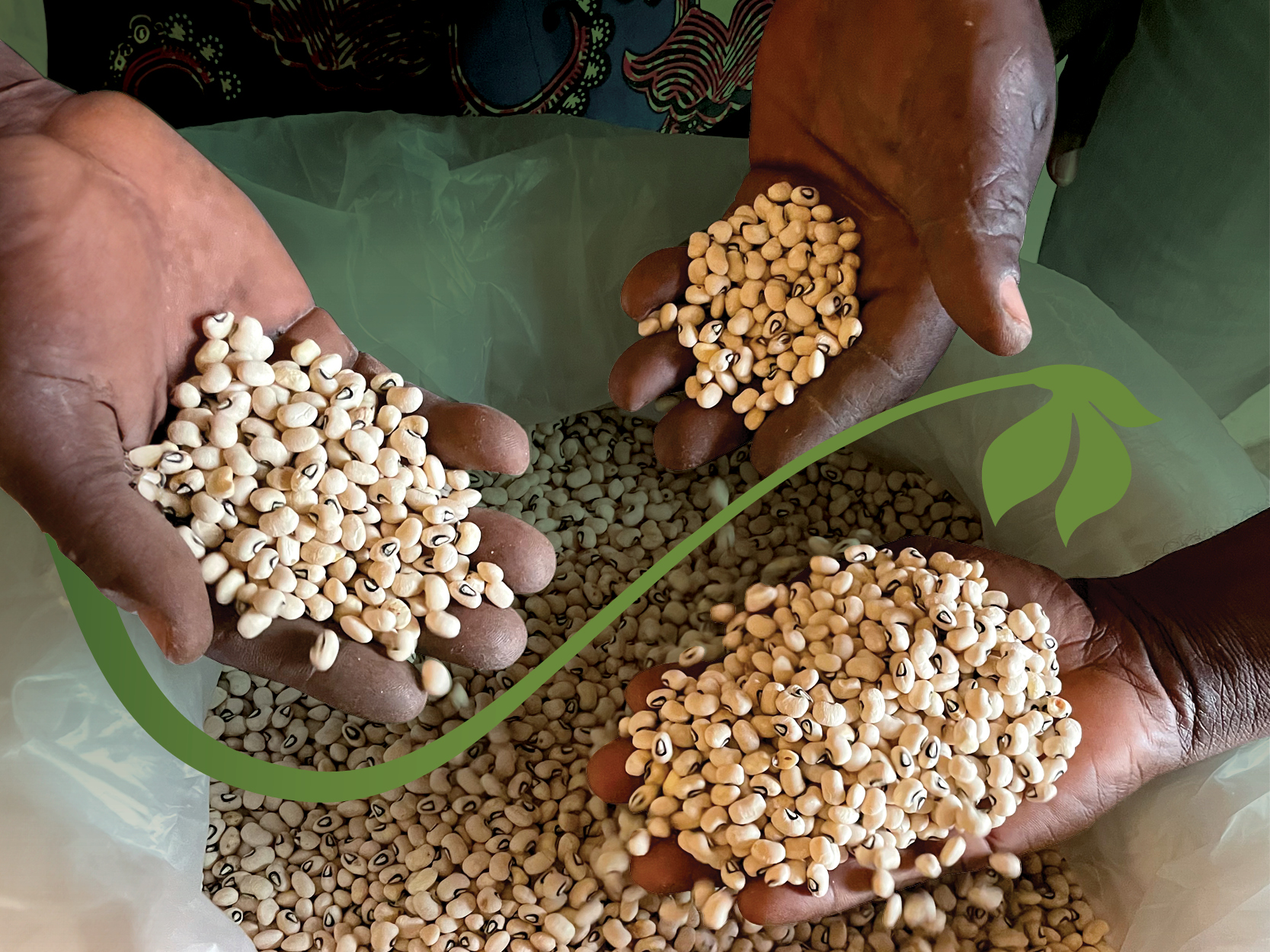
Nigeria’s National Biosafety Management Agency (NBMA) has granted regulatory approval for cowpea resistant to both the Maruca pod borer and the cowpea weevil. The approval marks an important milestone for Nigeria, where cowpea is a major food and income crop for millions of farming households and an important part of diets and markets across the country.
The regulatory submission was led by the Institute for Agricultural Research (IAR), Ahmadu Bello University, Zaria, building on decades of Nigerian research and breeding expertise in cowpea improvement. The dual-pest resistant cowpea was developed to address two of the most persistent challenges faced by farmers: insect damage in the field and losses during storage.
Building on Nigeria’s experience with the earlier pod borer-resistant cowpea, the dual-pest resistant cowpea provides protection from the field through storage. It is expected to help farmers reduce crop losses, limit the need for insecticide applications, protect harvested grain and improve the amount of cowpea available for household consumption and sale.
Developed through collaboration among the Alliance for Cowpea Improvement in Africa (ACIA) partner organizations, the innovation reflects an approach centered on African scientific leadership and the needs of African farmers. Nigerian scientists at IAR have played a leading role in advancing the technology and ensuring that it responds to the realities of cowpea production in the country.
The approval follows Nigeria’s established biosafety review process, including scientific assessment of the dual-pest resistant cowpea’s safety for human and animal health and the environment, as well as a period of public review and comment. The decision reflects Nigeria’s science-based regulatory system and the role of the NBMA in evaluating agricultural biotechnology before approved products can move toward farmer access.
“This approval is a significant achievement for Nigerian science and, most importantly, for our farmers,” said Prof. Mohammad Ishiyaku, Professor of Plant Breeding at the Institute for Agricultural Research. “Cowpea is central to the livelihoods of millions of Nigerians, but smallholder farmers continue to lose a substantial part of their crop to insects in the field and during storage. This innovation was developed with those farmers in mind, and it brings us closer to providing them with another tool to protect their harvests, strengthen their incomes and contribute to Nigeria’s food security.”
Regulatory approval is an important step toward making the dual-pest resistant cowpea available to Nigerian farmers. It will now proceed through the varietal registration process before being ready for commercialization and reaching farmers through Nigeria’s seed system before reaching farmers through Nigeria’s seed system.
ACIA and its partners remain committed to supporting the next stages of the process and working with Nigerian institutions, seed sector partners and farming communities to help ensure responsible and effective farmer access.
About the Alliance for Cowpea Improvement in Africa:
The Alliance for Cowpea Improvement in Africa (ACIA) is an Africa-focused agricultural research partnership embracing the opportunities and addressing the challenges of cowpea production and consumption.
Contact:
[email protected]